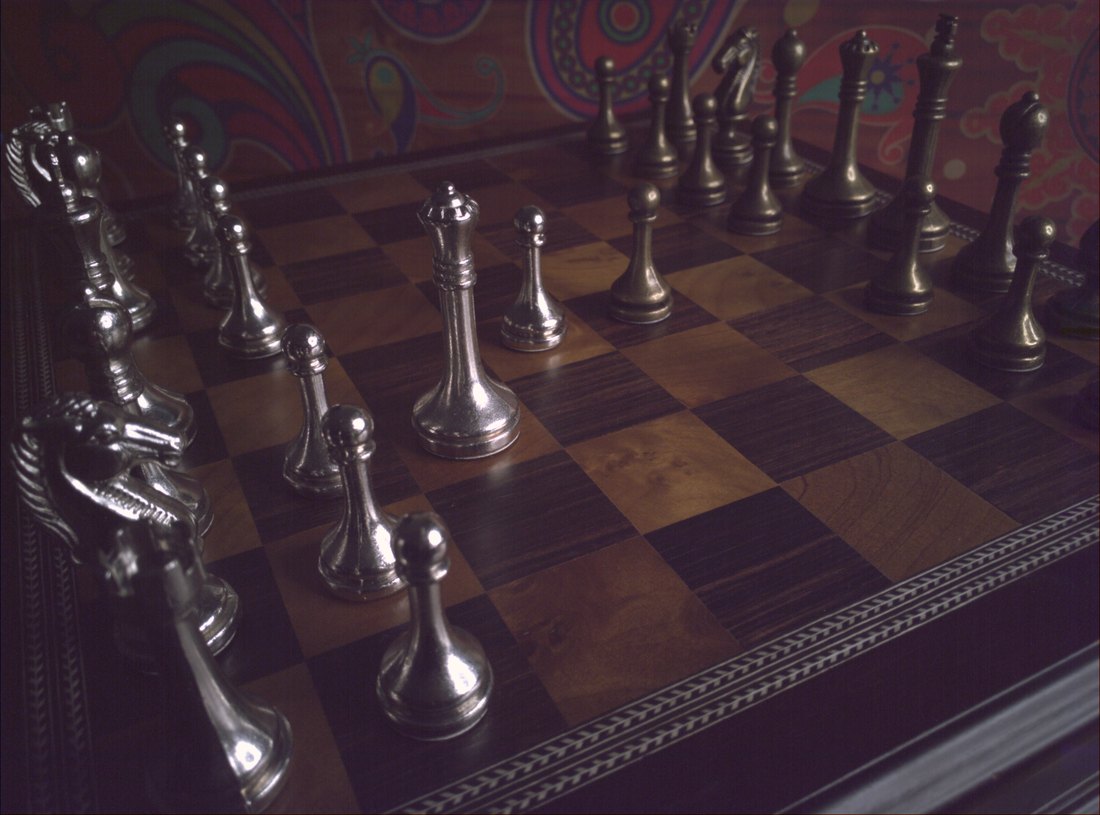
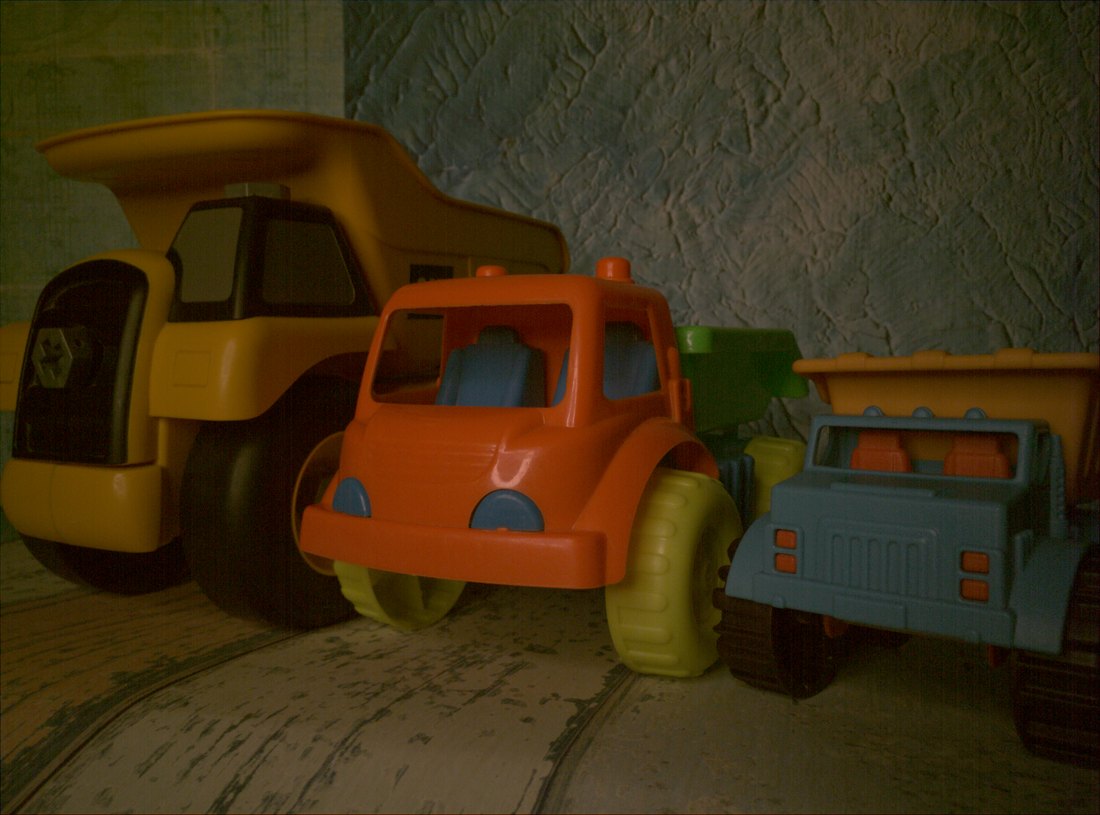
SIDD builds its "clean" ground truth by averaging many noisy frames — but a subtle mistake in the order of operations bakes a systematic color shift (a purple tint) into that ground truth. We diagnose it and release SIDD-CC, a corrected version.
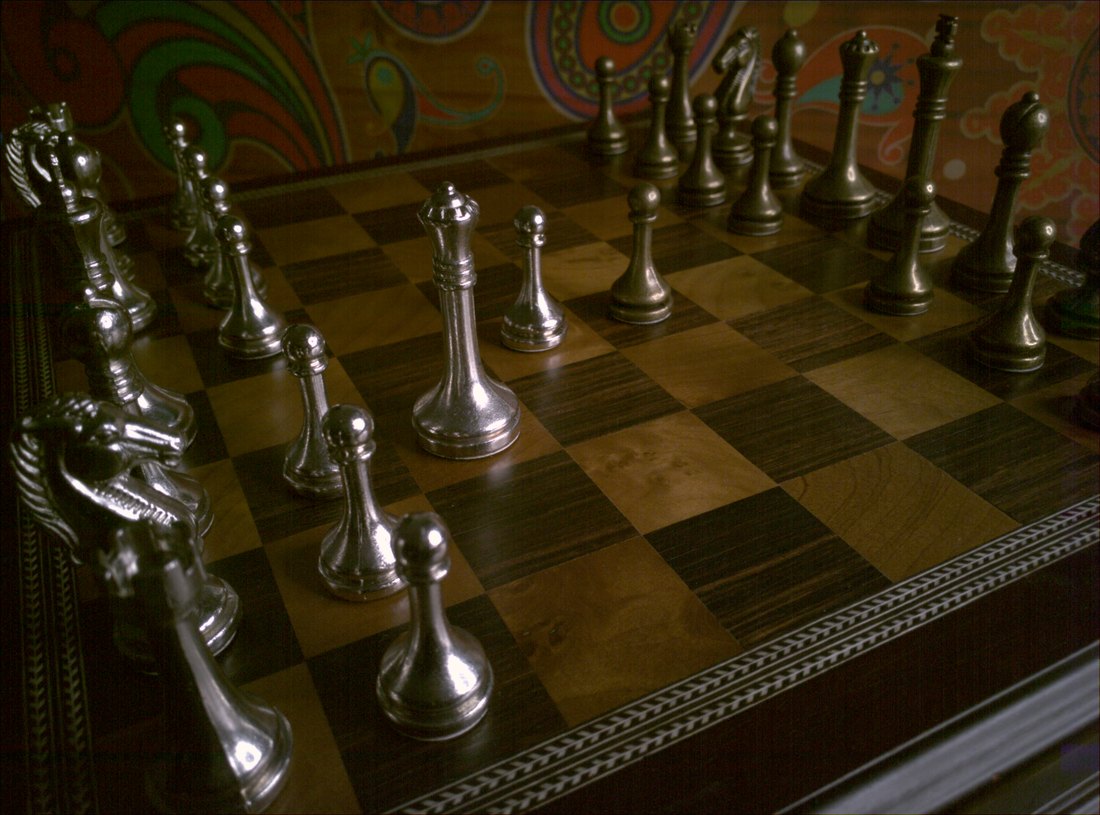
Drag the divider — the left side is SIDD (purple tint), the right side is SIDD-CC (corrected).
In a raw frame, a dark pixel's noise may dip below the sensor's black level. SIDD subtracts the black level and clips every frame before averaging — clipping discards those sub-zero values, so the average is pulled upward. This mean shift shows up as a color cast after rendering by ISP. Averaging first, then clipping, preserves the true mean.
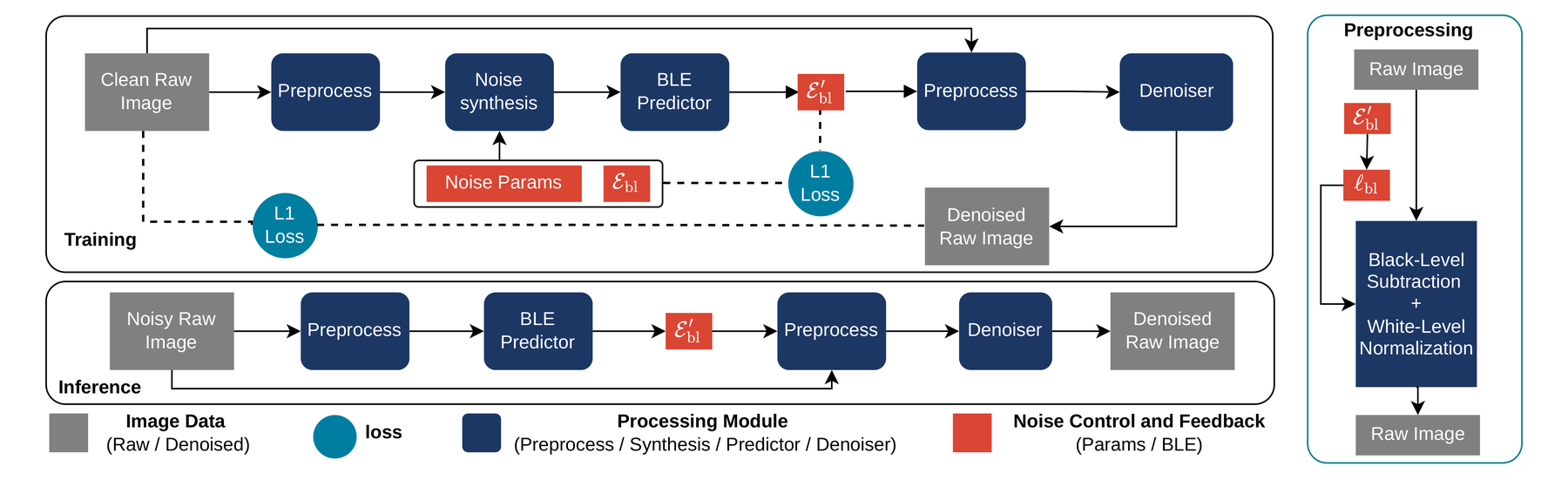
The same problem returns at inference: the black level a camera reports in its metadata may be inaccurate. This black-level error violates the zero-mean assumption underlying Raw noise modeling, and a denoiser trained under that assumption bakes a color shift into its output. We model the black-level error explicitly, but a new noise model alone is not enough to solve this problem. Black-level error is a global distortion of the image, so the model used for denoising must be able to extract this distortion — and commonly used U-Net architectures, with their local receptive field, cannot capture global information. We therefore insert a U-Net encoder prior to denoising: a first model to estimate the black-level error from a global view of the noisy input, and a second model to denoise the noisy image using the corrected black level. An auxiliary loss supervises the estimate end-to-end, so the correction is learned rather than assumed.
Pick a dataset and noise ratio to compare PSNR and SSIM across every method. Among blind methods Ours leads, and it stays competitive with calibration-based methods that require extra per-camera measurements.
Choose a dataset and example, then toggle any method to compare it against the ground truth. Drag the divider to reveal each side. Ours removes the color shift that lingers in the blind baselines.